In the world of industrial lifting, the pressure to deliver safer, faster, and more reliable results continues to grow. Today’s projects don’t just demand precision; they demand foresight. They demand technology that doesn’t just react, but anticipates.
At the center of this shift is a new generation of smart hoists powered by artificial intelligence (AI), advanced sensors, predictive automation, and IoT connectivity. These innovations are redefining how teams approach material movement—transforming hoists from simple lifting tools into intelligent safety partners.
From Strength to Intelligence: The Rise of Smart Hoists
Traditional hoisting systems have long relied on mechanical strength and operator skill. While those fundamentals remain essential, modern smart hoists introduce a new dimension: machine intelligence.
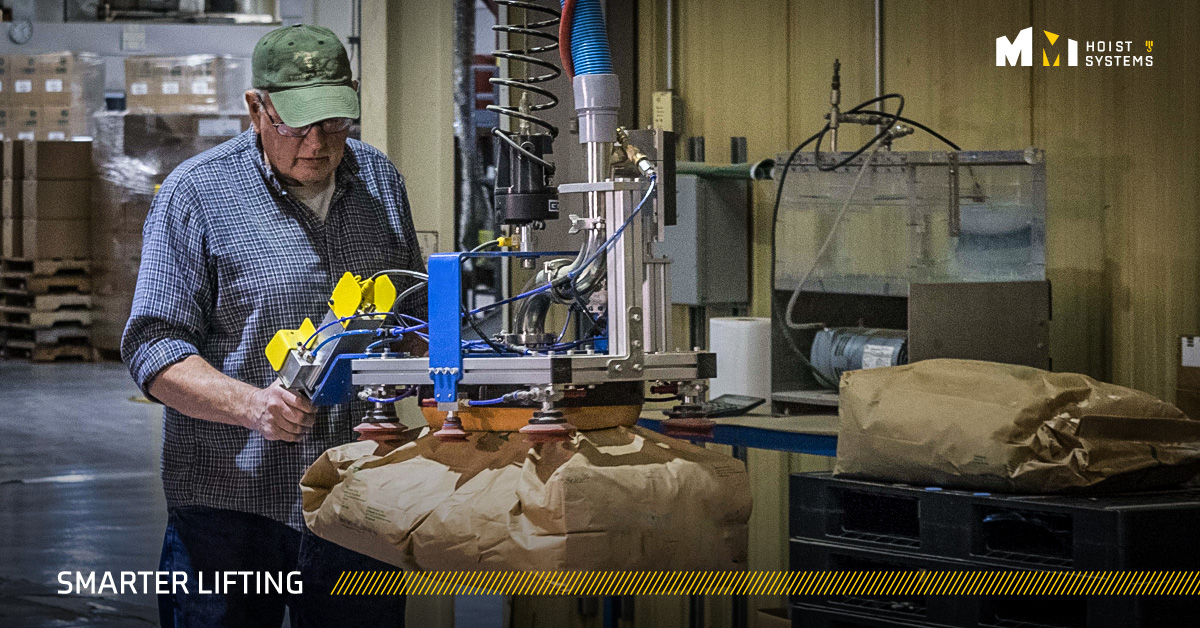
One of the most exciting developments in the industry is the new class of Intelligent Lifting Devices. These systems can sense the load and utilize advanced features to make heavy objects feel effectively weightless. Embedded sensors allow the hoist to assist, stabilize, and adapt in real time.
The benefits of these systems are impossible to ignore:
- Reduced physical strain
- Improved precision and stability
- Lower risk of sudden drops or load shifts
- Improved safety for teams working around heavy materials
In short, instead of relying on power alone, these devices allow lifting to be more of a coordinated interaction between human expertise and responsive technology.
Predictive Systems: Moving From Reactive to Proactive Safety
Perhaps the most important advancement in smart hoists is predictive intelligence, which allows companies to anticipate maintenance needs and prevent unexpected failures.
AI-powered hoists can detect and interpret early warning signs of mechanical stress before a failure occurs. These signs could include abnormal vibration patterns, cable tension changes, positioning inconsistencies, temperature fluctuations, alignment drift, and other subtle indicators that human inspections could easily miss. They can then trigger automatic protections and help record and track data that will help anticipate future issues.
In practical terms, these systems can:
- Flag worn components before they fail
- Automatically slow or stop lifting if a load becomes imbalanced or unstable
- Provide real-time feedback to operators
- Create recommended maintenance schedules based on actual usage
- Sync performance diagnostics to cloud-based dashboards for remote oversight
This is reliability redefined, turning it into something that is continuous and preventative, rather than reactive.
IoT Connectivity: Creating a Smarter Jobsite
The Internet of Things (IoT) takes smart hoists one step further, integrating them in a connected jobsite ecosystem.
IoT-enabled hoists can communicate with:
- Site management systems to log lift activity and performance data
- Access control systems to ensure only certified operators use the equipment
- Environmental sensors that adjust lifting parameters based on wind or ground conditions
- Digital twin models that monitor structural loads during lifts
In this environment, hoists no longer operate as isolated tools. They become intelligent nodes in a larger data-rich ecosystem—a network of jobsite intelligence that improves coordination, decision-making, and operational awareness across the entire project.
Automation: Empowering Operators (Not Replacing Them)
When we talk about automation in lifting systems, the big question that inevitably comes up is: will these machines replace skilled operators?
The answer is no.
Automated systems are designed to enhance human capability, not replace it. When the machines are able to handle repetitive or high-risk motions, the skilled professionals are free to focus on higher-level responsibilities—like staging, safety, sequencing, and strategic oversight.
At the end of the day, mechanical precision and human judgment work together. The result is greater efficiency, higher throughput, fewer errors, and more consistent outcomes.
Automation doesn’t remove human responsibility. If anything, it amplifies the need for human judgement.
Staying Hungry: The Core Value that Drives Innovation
At MMI, technological advancement isn’t just about adopting new tools—it’s about maintaining the mindset to pursue improvements. Our work demands skill, but it also demands a mindset that is rooted in the pursuit of something better.
This matters so much to us, in fact, that we made it one of our core values. We call it Hungry.
Project Manager Richard Sok explains exactly what “Hungry” means to MMI:
“Hungry is a core value at MMI because our work demands adaptability, initiative, and continuous improvement. Hungry professionals don’t wait to be told what’s needed—they look ahead and act. They challenge old assumptions, search for better methods, and prepare before pressure forces their hand.”
Smart hoists align perfectly with this spirit of hunger. They push boundaries and challenge what was once normal. They reduce physical strain and free up mental bandwidth for your teams. When you elevate your tools, you elevate your people.
Hunger is to thank for the technological advancements we’ve seen in the lifting industry:
- Predictive systems exist because engineers refused to accept downtime as inevitable.
- IoT integration emerged because teams wanted their machines to communicate and work more efficiently and cooperatively.
- Automation was developed because workers and engineers asked how lifting could become safer, smarter, and more human-centered.
Of course, hunger can’t be for hunger’s sake. It has to be purposeful. In an industry defined by constant change, hunger is what keeps teams sharp, competitive, and forward-thinking.
As Richard says:
“Staying hungry is the desire to grow and maintain positive momentum, coupled with the willingness to be comfortable with discomfort.”
The Future of Lifting: Intelligent, Safer, and Driven by Hunger
The evolution of hoists is not an incremental tweak or a simple upgrade. It represents a shift in how industrial teams think about safety, efficiency, and reliability.
From AI and IoT connectivity, to advanced automation and predictive analytics—technological developments allow lifting equipment not just to lift more, but to lift smarter. Today's machines anticipate challenges, protect workers, and optimize performance, creating an industry that is safer, more efficient, and more reliable.
AT MMI, we embrace these advancements not simply because they are new—but because they align with who we are:
Hungry to improve.
Hungry to lead.
Hungry to build safer and smarter systems for the industries we serve.
With intelligent lifting devices already in use across our operations, the future of lifting isn’t something we’re waiting for.
It’s already here.
Interested in how smart hoist technology can improve safety and efficiency at your facility?
Contact MMI Hoist Systems today to learn how intelligent lifting solutions can support safer operations and smarter material handling in your future projects.